
Article
The science-minded backbone behind DowntimeIQ (and what “predictive” really means here)
How we think about reliability math, structured operational data, and AI assistance—without pretending the product is a black-box oracle.

Tanner A
Founder, DowntimeIQ
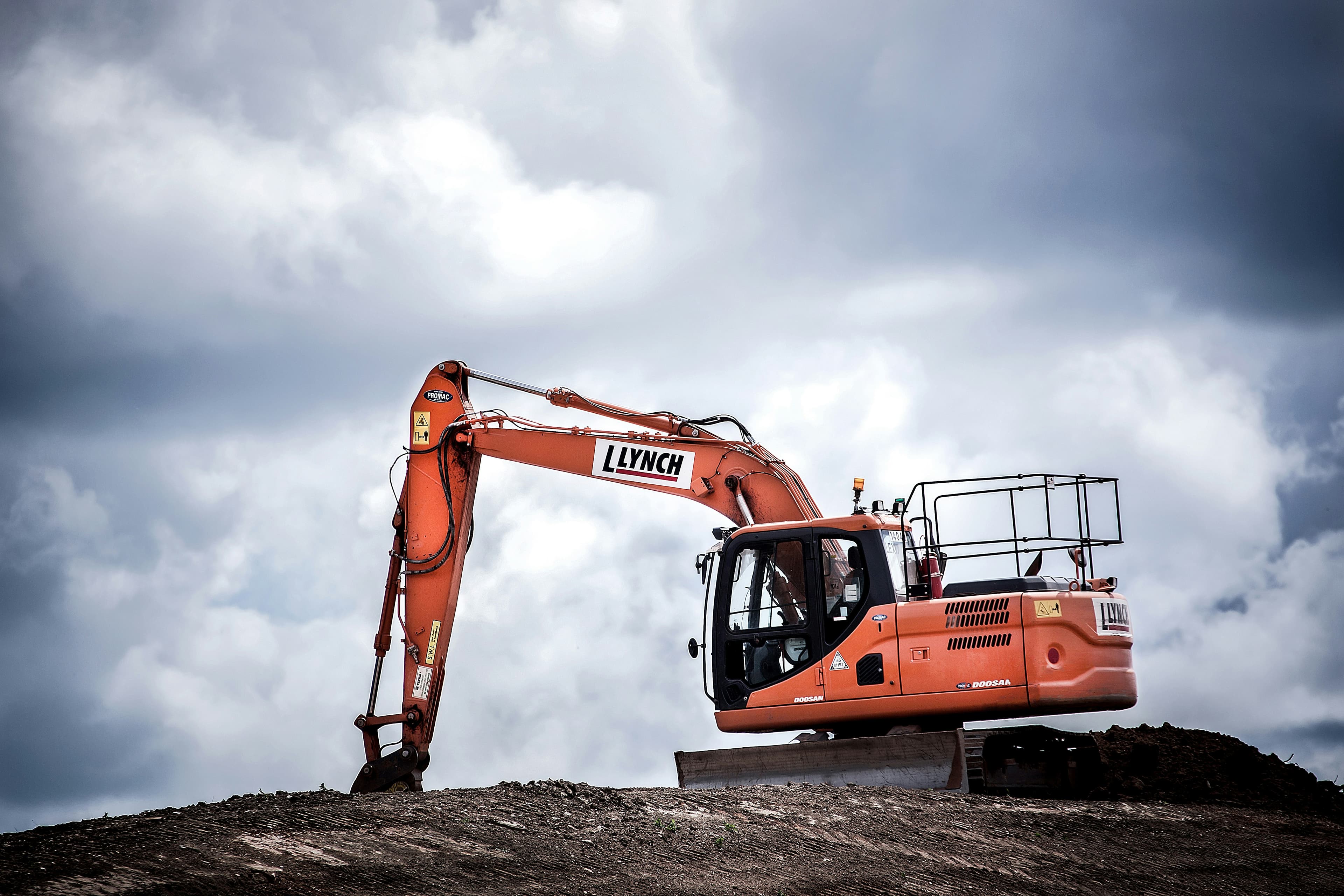
Industrial operations generate a constant stream of semi-structured events: start/stop times, fault categories, maintenance completions, checkout events, and human notes that are messier than any sensor feed.
The “math” behind a tool like DowntimeIQ starts with something unglamorous and essential: consistent representation. Once events have clear timestamps, identities, and states, you can measure durations, rates, and bottlenecks without hand-waving.
Reliability thinking, translated into software
Reliability engineering often focuses on failure modes, time-to-restore, and preventive intervals. Software cannot replace mechanics, but it can enforce the discipline that makes those concepts measurable.
DowntimeIQ is designed so teams capture the minimum viable detail at the moment of failure—because that is when memory is freshest and the cost of omission is highest.
What we mean by “predictive” in a practical product
True predictive maintenance usually combines history, usage, condition signals, and sometimes physics-based models. Not every team has clean sensor coverage—and that is OK.
Today, DowntimeIQ’s strongest predictive lever is often the simplest: overdue work, repeat downtime categories, and leading indicators you can act on this week. The platform is built to surface those signals clearly, rather than hiding them behind charts nobody uses.
As your data matures, the same structured event history becomes the foundation for richer forecasting—because the inputs are trustworthy.
DowntimeIQ AI: assistance grounded in your workflow
The in-product AI assistant (on eligible plans) is intentionally scoped: it is meant to help teams reason about operational questions in plain language, using the context your workspace already contains.
That is different from a generic chatbot. The goal is not to impress you with jargon; it is to reduce time-to-answer for managers who are already under pressure.
Security, auditability, and “trust but verify”
Advanced tooling fails if nobody trusts the record. Features like audit logs (on eligible plans) exist so important actions are attributable—supporting accountability without turning operations into paperwork theater.
A candid closing
If a vendor tells you they have “secret math” that replaces leadership, maintenance craft, and sound judgment—be skeptical.
DowntimeIQ is built around a more boring and more reliable idea: make operational reality easy to record, easy to see, and hard to ignore. That is the foundation everything else stacks on.
Try DowntimeIQ on your next shift
Start free, add a few machines, and see whether your team actually uses the workflow under real pressure.